
Free Rider Waite Tarot Reading
Rider Waite Tarot Reading
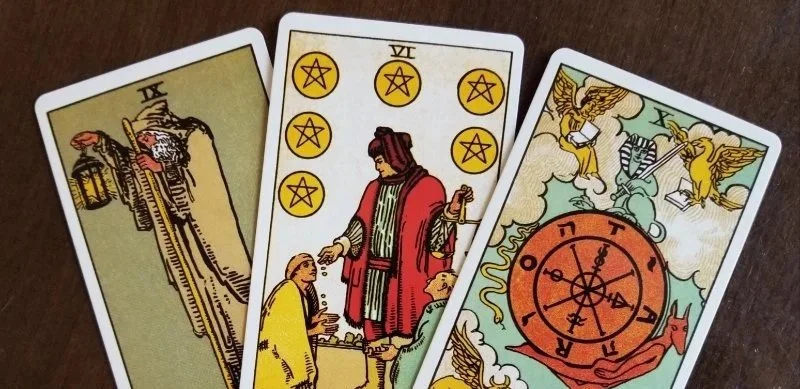
This reading uses the 78 cards of the Rider–Waite Tarot Deck.
The Rider–Waite Tarot is a classic, widely used deck known for its rich symbolism and clear imagery that supports intuitive readings. Created in 1909, the Rider–Waite Tarot (also called the Rider–Waite–Smith) was published by the British company Rider & Son. The deck was designed by Arthur Edward Waite, a prominent member of the Hermetic Order of the Golden Dawn, who sought a deck reflecting esoteric symbolism and accessible for divination.

Pamela Colman Smith, an American artist and fellow Golden Dawn member, executed the illustrations under Waite’s direction. Her expressive, narrative art is a defining feature of this innovative deck. Smith illustrated full scenes for all 78 cards, including the 56 Minor Arcana, which before this deck were often simple pip-style cards. This made the imagery much easier to read intuitively and narratively.
Waite emphasized symbolic richness drawn from occult, Christian mystical, and medieval sources, weaving layers of meaning into each card. The deck’s standardized imagery and clear iconography helped it become a teaching tool for tarot study and a template for many later decks.
The Rider–Waite quickly became the most influential and widely used tarot deck in the English-speaking world. Many modern decks borrow directly from its composition, poses, and symbols. It remains the primary reference deck for tarot readers and authors.
Pamela Colman Smith’s original artwork was long under-recognized, but recent scholarship and reprints have restored attention to her crucial role. Its combination of evocative art and rich symbolism made tarot readings more intuitive and accessible, shaping contemporary tarot practice.
For learners and readers today, the Rider–Waite remains the go-to deck for studying card meanings, spreads, and the narrative dynamics of tarot readings.
The Rider Waite Major Arcana Cards
The Major Arcana cards represent the big life lessons and sweeping themes that roll out the cosmic red carpet in your journey. When these cards appear in your reading, they signal profound shifts, spiritual awakenings, or significant crossroads. They’re the universe’s way of tapping you on the shoulder and saying, “Hey, pay attention! Here comes something life-changing!” Expect deep exploration, transformative experiences, and larger forces at play that guide your path.





How to Read the Major Arcana in a Tarot Reading
The Major Arcana are the 22 trump cards of the Rider–Waite (often spelled Rider–Waite–Smith) tarot deck. They mark key archetypal energies and life lessons — stages of a soul’s journey from innocence to enlightenment. Each card carries a distinct image and symbolism, commonly used in readings to indicate major influences, turning points, or deep inner work.
List of the Major Arcana (0–21)
0 — The Fool: New beginnings, spontaneity, faith, potential; leap of faith, risk with optimism.
I — The Magician: Will, manifestation, resourcefulness, focused action; using tools and talents.
II — The High Priestess: Intuition, mystery, inner knowing, the unconscious; patience and receptivity.
III — The Empress: Fertility, nurturing, abundance, creativity; comfort, sensuality, growth.
IV — The Emperor: Authority, structure, stability, leadership; paternal influence and order.
V — The Hierophant: Tradition, institutions, spiritual guidance, teaching; conformity and counsel.
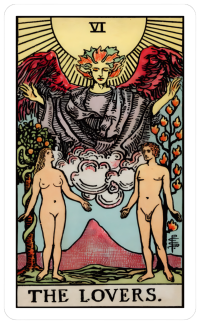
VI — The Lovers: Relationships, choice, values alignment, union; moral decisions and intimacy.
VII — The Chariot: Victory, determination, control, willpower; harnessing opposing forces.
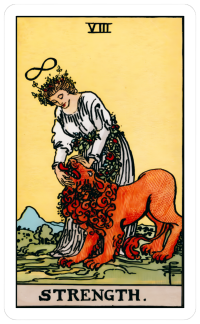
VIII — Strength: Courage, compassion, inner resilience, gentle power; taming the self.
IX — The Hermit: Solitude, introspection, wisdom-seeking, guidance; withdrawal to find truth.
X — Wheel of Fortune: Cycles, fate, turning points, ups and downs; timing and change.
XI — Justice: Truth, fairness, accountability, cause and effect; legal and ethical balance.
XII — The Hanged Man: Surrender, new perspective, pause, sacrifice; letting go to gain insight.
XIII — Death: Ending, transformation, clearing space for rebirth; profound change, not literal death.
XIV — Temperance: Balance, moderation, alchemy, integration; blending opposites with patience.
XV — The Devil: Bondage, materialism, shadow aspects, temptation; unhealthy attachments.
XVI — The Tower: Sudden upheaval, revelation, structural collapse; necessary clearing and release.
XVII — The Star: Hope, healing, guidance, renewed faith; inspiration and serenity.
XVIII — The Moon: Illusion, subconscious, fear, imagination; navigating uncertainty and dreams.
XIX — The Sun: Vitality, clarity, success, joy; celebration and life-affirming energy.
XX — Judgment: Awakening, reckoning, rebirth, calling; evaluation and inner summons.
XXI — The World: Completion, integration, fulfilment, achievement; wholeness and new cycles.
Key visual elements in the Rider–Waite images
Symbolic figures and gestures: Each card’s posture and interaction convey psychological states or actions (e.g., The Fool stepping forward, The Hanged Man suspended upside-down).
Animals and mythical beings: Animals often represent instinct, drive, or support (e.g., the lion in Strength).
Colour and light: Palette choices signal mood and spiritual tone — bright for clarity, muted or dark for mystery.
Objects as tools or talismans: Wands, cups, swords, and pentacles (minor-arcana suits) appear as symbolic instruments even in Major Arcana cards (e.g., The Magician’s table, The Empress’s cornucopia-like abundance).
Numerology: Number meanings show progression and relationships between cards (0–1 beginnings into manifestation; 12–13 pause and transformation; 20–21 judgment and completion).
Reading Major Arcana in a spread
As significators: A Major Arcana card can represent the querent’s current life chapter, core lesson, or soul theme.
As influencers: One Major card in a spread often points to a major life force shaping surrounding minor-arcana events.
As timing or emphasis: Multiple Majors indicate a period of significant change, karmic lessons, or spiritual evolution.
As reversals (optional): Reversed positions can suggest blocked energy, delayed outcomes, innerised aspects, or the need for integration.
Interpreting pairs and sequences
Sequential cards show a narrative or unfolding process (e.g., The Fool → The Magician indicates initiation into purposeful action).
Contrasting cards highlight tension or growth edges (e.g., The Hierophant vs The Lovers can indicate conflict between tradition and personal choice).
Recurring themes (e.g., several cards about endings or beginnings) point to an overarching life transition.
Practical tips for learning the Major Arcana
Memorize keywords, then expand with imagery details and personal associations.
Study a card per day: journal impressions, feelings, and situations where the card appears.
Minor Arcana in a Tarot Reading
The Minor Arcana cards are all about the day-to-day experiences, emotions, and situations that sprinkle a little magic (or chaos!) into your life. When these cards show up, they highlight the nitty-gritty of daily activities, personal interactions, and the minor challenges or joys that make up your stories. They're your roadmap of the mundane, reminding you that while big changes are significant, it’s often the small moments that create the rich tapestry of life. Each suit offers insights into specific areas, like your cups overflowing with feelings or swords cutting through confusion—each adding their unique flavour to your reading!
The 4 Suits of the Rider–Waite Tarot
The Rider–Waite tarot deck organizes the Minor Arcana into four suits — Wands, Cups, Swords, and Pentacles — each reflecting a domain of human experience and a set of energies. Understanding these suits helps you read cards in context and weave clearer interpretations.


Wands
Element: Fire
Keywords: Creativity, passion, drive, ambition, inspiration, action
Life areas: Projects, enterprise, willpower, beginnings, spiritual energy
Tone: Dynamic, energetic, forward-moving
Example cards: Ace of Wands (new creative spark), Three of Wands (expansion, waiting for results), Ten of Wands (burden, overwork)
Cups
Element: Water
Keywords: Emotions, relationships, love, intuition, empathy, inner life
Life areas: Feelings, romance, friendships, psychic sensitivity
Tone: Reflective, emotional, relational
Example cards: Ace of Cups (new emotional beginning, love), Two of Cups (partnership, mutual attraction), Five of Cups (loss, grief, selective mourning)
Swords
Element: Air
Keywords: Thought, intellect, communication, conflict, truth, analysis
Life areas: Ideas, decisions, challenges, mental clarity
Tone: Sharp, honest, sometimes confrontational
Example cards: Ace of Swords (clarity, breakthrough), Three of Swords (heartbreak, sorrow), Seven of Swords (deception, strategy)
Pentacles
Element: Earth
Keywords: Material matters, work, money, health, stability, practical skills
Life areas: Career, finances, physical resources, body
Tone: Grounded, pragmatic, gradual
Example cards: Ace of Pentacles (new financial or material opportunity), Ten of Pentacles (legacy, family abundance), Five of Pentacles (hardship, insecurity)
Number in Tarot
Numbers indicate stages and themes: Aces = beginnings, Twos = choices or balance, Threes = growth or group activity, Fours = stability or stagnation, Fives = conflict or change, Sixes = harmony or giving, Sevens = challenge or defense, Eights = movement or mastery, Nines = nearing completion or worry, Tens = fulfillment or culmination.
In readings, pay attention to suit dominance: many Swords might signal mental stress; multiple Pentacles suggest material focus.
Practical Tips
When learning, sort a shuffled Minor Arcana deck by suit and study imagery and progression from Ace to Ten.
Combine suit meanings with surrounding cards and question context: the same Two of Cups can mean romantic union or a close business partnership depending on the spread.
Use elemental correspondences to balance readings: if a querent has mostly Cups, encourage grounding actions (Pentacles) or clear thinking (Swords) as needed.
The four suits provide a practical framework to read everyday situations with nuance — they map what’s happening (which suit), how it feels (suit tone), and where it’s heading (card number and court).
The Court Cards of the Rider Waite Tarot

The court cards in the Rider–Waite tarot deck are the Pages, Knights, Queens, and Kings found in each suit (Wands, Cups, Swords, Pentacles). They function as people, personality types, stages of maturity, or inner energies. They can represent actual individuals in a reading (by age, gender archetype, or role), aspects of the querent’s behaviour, or situations unfolding. Below is a concise guide to their core meanings, elemental correspondences, and how to read them upright and reversed.
General structure and element correspondences
Page: youthful, beginner, message, potential — associated with the element of air applied to the suit (curiosity, learning).
Knight: action, movement, pursuit — the suit’s element in motion.
Queen: receptive, nurturing, mature inner life — the suit’s element expressed through intuition and care.
King: mastery, authority, outward control — the suit’s element expressed through leadership and discipline.
Suit of Wands (Fire: creativity, will, passion)
Page of Wands
Upright: new creative spark, enthusiasm, exploration, messages about projects. A youthful messenger of inspiration.
Reversed: hesitation, scattered energy, lack of direction, false starts.
Knight of Wands
Upright: bold action, adventurous impulse, fast-moving ambition, risk-taking.
Reversed: recklessness, impatience, impulsive decisions, burnout.
Queen of Wands
Upright: confident, charismatic, warm, entrepreneurial energy; courage and creative leadership.
Reversed: vanity, domineering attitude, jealousy, depleted enthusiasm.
King of Wands
Upright: visionary leader, decisive, inspiring; mastery of goals and charisma in action.
Reversed: overbearing control, arrogance, misuse of power, temper.
Suit of Cups (Water: emotion, relationships, intuition)
Page of Cups
Upright: emotional openness, intuitive messages, creative vulnerability, new feelings.
Reversed: emotional immaturity, moodiness, blocked creativity, unrealistic expectations.
Knight of Cups
Upright: romantic gesture, idealistic pursuit, following the heart, an offer or proposal.
Reversed: emotional manipulation, moodiness, empty promises, over-sentimentality.
Queen of Cups
Upright: compassionate, empathetic, deeply intuitive and emotionally wise.
Reversed: emotional overwhelm, boundary issues, co-dependency, suppressed feelings.
King of Cups
Upright: emotional balance, wise counsel, calm authority, compassionate leadership.
Reversed: emotional instability, passive-aggressiveness, detachment, manipulation.
Suit of Swords (Air: thought, communication, conflict)
Page of Swords
Upright: curiosity, sharp intellect, probing questions, mental agility.
Reversed: gossip, nervousness, scattered thoughts, avoidance of truth.
Knight of Swords
Upright: decisive action, focused intellect, rapid change, speaking one’s mind.
Reversed: rashness, argumentative behaviour, thoughtless aggression, burnout.
Queen of Swords
Upright: clear perception, honest boundaries, objective wisdom, independence.
Reversed: coldness, cynicism, bitterness, overly critical perspective.
King of Swords
Upright: intellectual mastery, ethical clarity, strategic thinking, authoritative communication.
Reversed: manipulative logic, abuse of power, legal entanglements, harshness.
Suit of Pentacles (Earth: material, body, resources)
Page of Pentacles
Upright: study, apprenticeship, practical opportunity, seeds of prosperity.
Reversed: lack of focus, missed opportunities, procrastination, impractical plans.
Knight of Pentacles
Upright: steady progress, reliability, hard work, methodical approach.
Reversed: stagnation, workaholism, resistance to change, overly cautious.
Queen of Pentacles
Upright: nurturing practicality, abundant homemaking, resourceful and grounded.
Reversed: smothering, material imbalance, neglect of self-care, financial insecurity.
King of Pentacles
Upright: material success, stable leadership, practical wealth management, dependable authority.
Reversed: greed, rigidity, materialism, misuse of resources.
Reading tips for court cards
Person vs. energy: Consider the querent’s age, gender, cultural context. Court cards often represent roles or aspects rather than literal people.
Position and surrounding cards: Court cards take on nuance from adjacent cards.