
How to Read Tarot Cards
Here is a quick, beginner-friendly guide to getting started with Tarot.
Here’s how to get started reading Tarot:
Choose Your Deck
Select a Tarot deck that resonates with you. There are no wrong choices and countless options ranging from classic Rider-Waite to contemporary designs. You may decide on a themed deck, such as animals spirits or based on an art style. Find a deck that you enjoy, one that you intuitively understand.

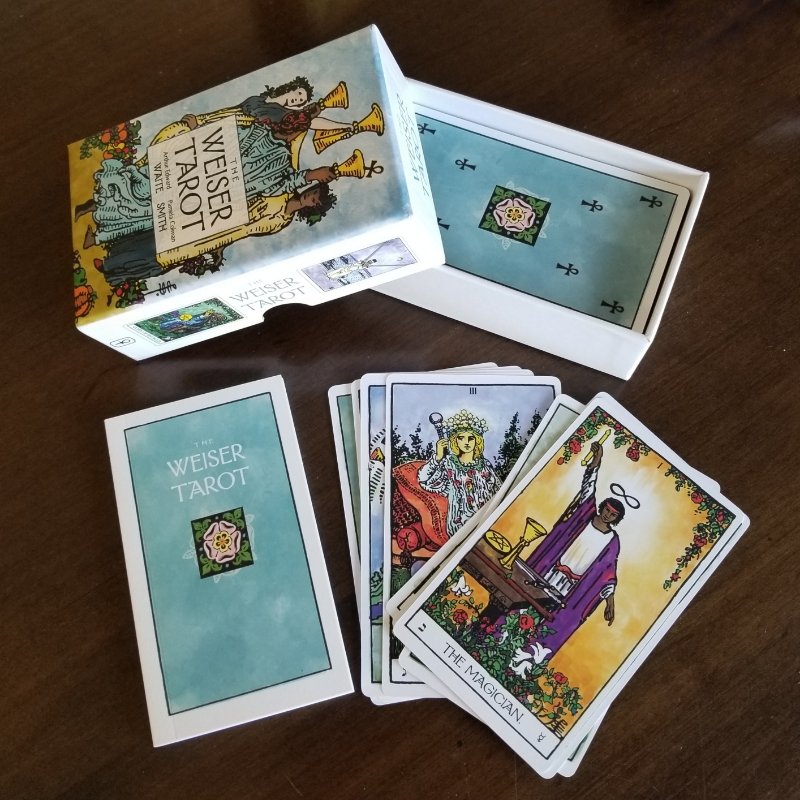
This guide will be focused on Rider Waite Tarot deck simply because it is the one most commonly used. Let’s get started.
Get to Know Your Deck
The first step to reading tarot is getting to know your Tarot deck. One it up and explore the cards playfully. Consider which ones you like and don’t like. Ask why?
Practice interpreting the cards by deciding what each one means. You will need to tap into your own wisdom and intuition to guide you in understanding the cards symbolism.
Reading Tarot cards is a journey into the subconscious, to unveil insights and guidance.
Understanding the Card Meanings
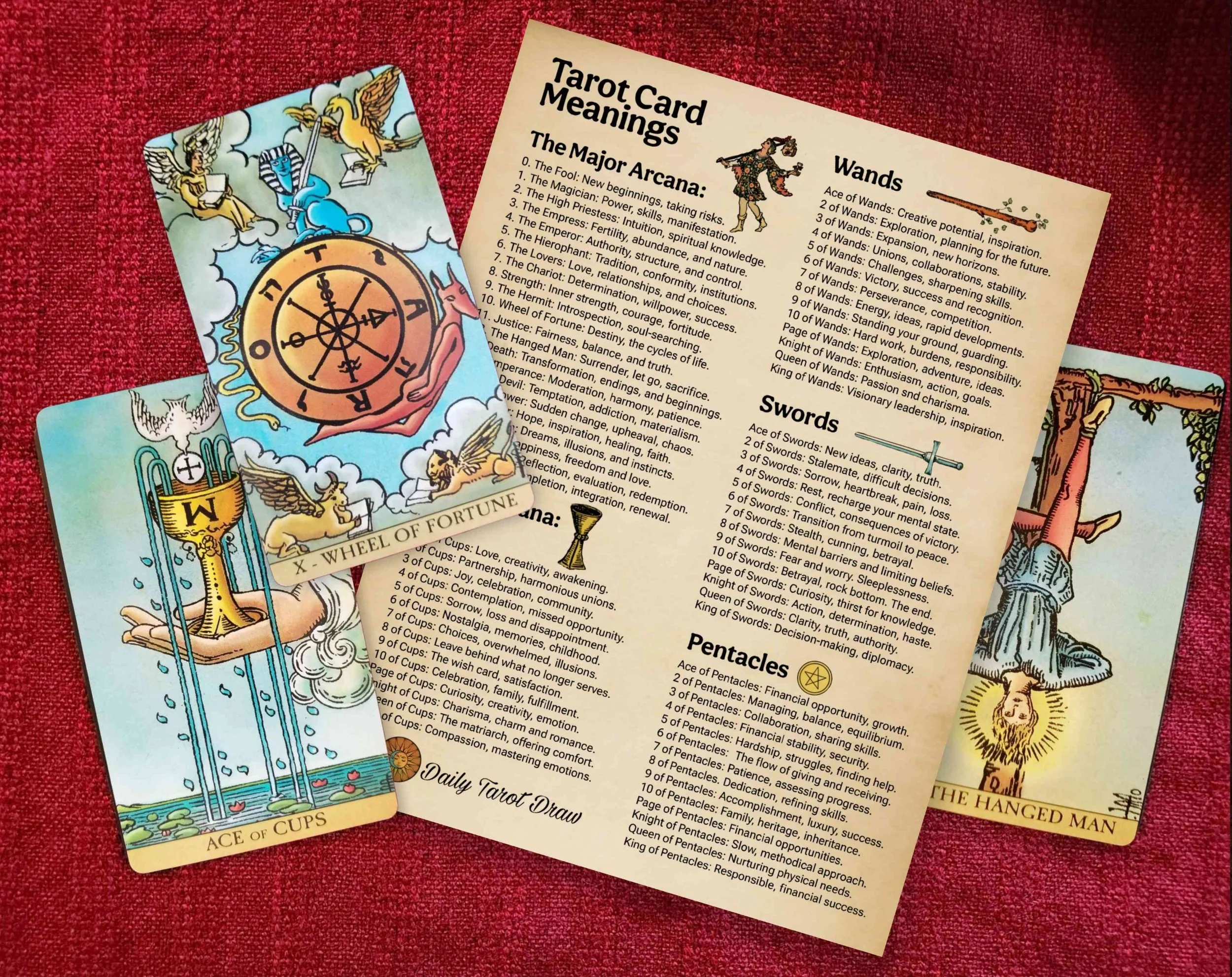
A standard Tarot deck has 78 cards divided into two main sections:

The Major Arcana (22 Cards): These represent significant life events, big lessons, or archetypal themes (e.g., The Fool, The Lovers, The Tower). When these appear, pay attention—they usually signal a major shift or influence.
The Minor Arcana (56 Cards): These represent day-to-day life, passing emotions, and practical matters. They are divided into four suits, similar to a deck of playing cards:
Cups (Water): Emotions, relationships, intuition.
Pentacles (Earth): Money, career, home, physical health.
Swords (Air): Thoughts, conflict, communication, logic.
Wands (Fire): Passion, inspiration, creativity, action.
Each suit has 10 cards numbered Ace - Ten and 4 Court Cards which are the Page, Knight Queen and King.
“While it is helpful to have a strong understanding of the cards, you can also begin reading intuitively right away, based on your own impressions of the cards.”
9 of Wands for example:
Looks defensive
Guarding something?
Worried or concerned?
Standing strong or holding your ground?

What does this card meant to me?
What is the imagery showing?
How does this card feel?
How does it relate to the reading I am doing?
What is it trying to tell me?
How to do a Tarot Reading
Set the Scene & Shuffle
You don't need a dark room and candles (unless you want them).
First Step is to Connect with your Cards: Hold the deck in your hands. Take a deep breath to ground yourself.
Now Ask a Question: Be specific but open-ended.
Avoid: "Will I get the job?" (Yes/No questions can be limiting).
Try: "What do I need to know about my career path right now?"
Shuffle the Deck: Shuffle the cards in whatever way feels comfortable while focusing on your question. Stop when it feels "right."
Tip: If a card falls out while shuffling (a "jumper"), read it! Many readers believe these cards are demanding to be heard.
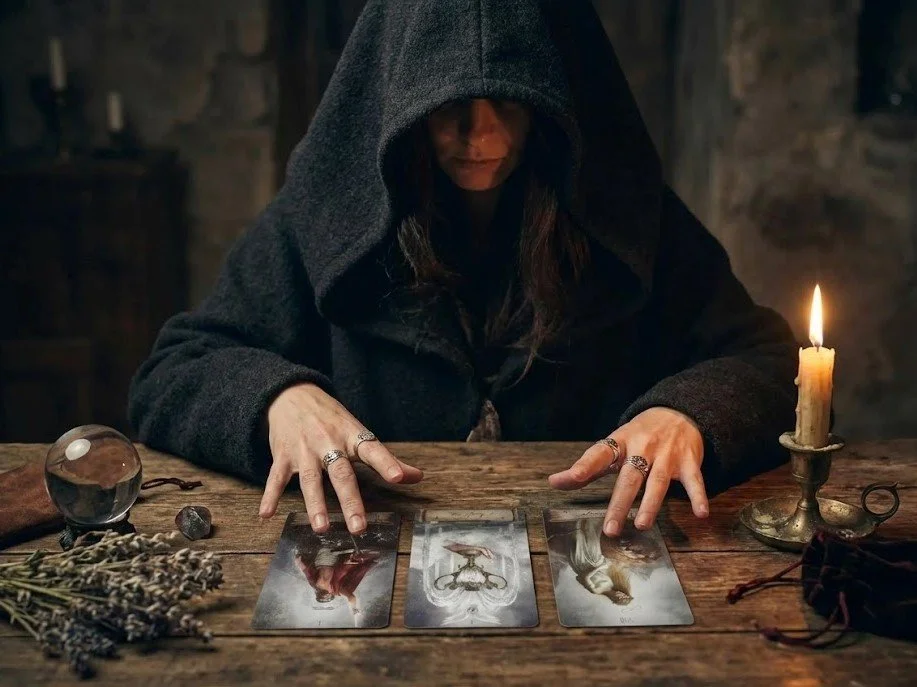

A "spread" is the layout of the cards. For beginners, simpler is better. Some examples are:
One Card Draw Best for quick guidance or a "vibe check" for the day. For a quick insight or answer. Or a daily draw to set an intention.
Ask: "What energy do I need to focus on today?"
Pull one card and interpret it.
Three Card Spread Best for understanding a narrative or timeline. Common variations include:
Past / Present / Future
Situation / Obstacle / Advice
Mind / Body / Spirit
Celtic Cross: A comprehensive exploration of a situation using 10 cards.

Interpret the Cards
This is where the magic happens. Refer to your guidebooks as often as you like, but do not rely solely on the little white book that came with your deck. Explore as many different interpretations as you can find to gain a more well rounded understanding of the cards.
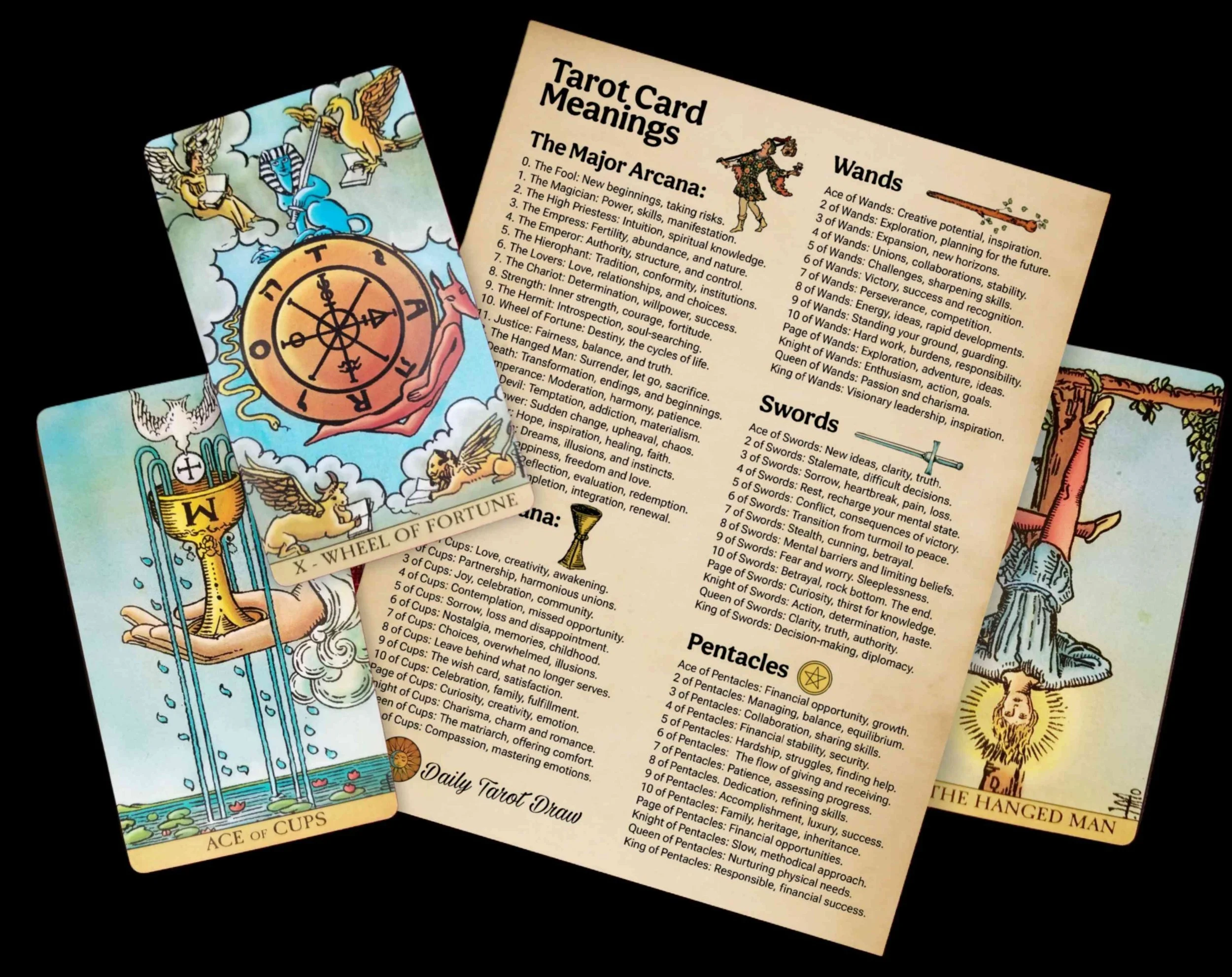
Remember, reading Tarot is less about predicting the future and more about introspection, storytelling, and tapping into your intuition.
Just look at the card drawn and ask yourself a few questions:
First Impression: Look at the image. How does it make you feel? Anxious? Peaceful? Energized? Your immediate gut reaction is often the most accurate part of the reading.
Visual Clues: Look at the colors and symbols. Is the figure walking away or toward something? Is the sky stormy or clear?
Traditional Meaning: Consult your guidebook or a trusted online resource to see the traditional definition.
Synthesis: Combine the book meaning with your intuition to answer your specific question.


Understanding Tarot Symbols
Tarot cards are also rich with symbols, each carrying its own unique meaning and energy. Understanding these symbols can enhance your readings and interpretations. By familiarising yourself with these symbols, you can deepen your understanding of tarot cards and their messages.
The Fool (0)
Symbolism: The dog represents loyalty and instincts, while the white rose signifies purity and the leap into the unknown.
Theme: New beginnings and adventures.
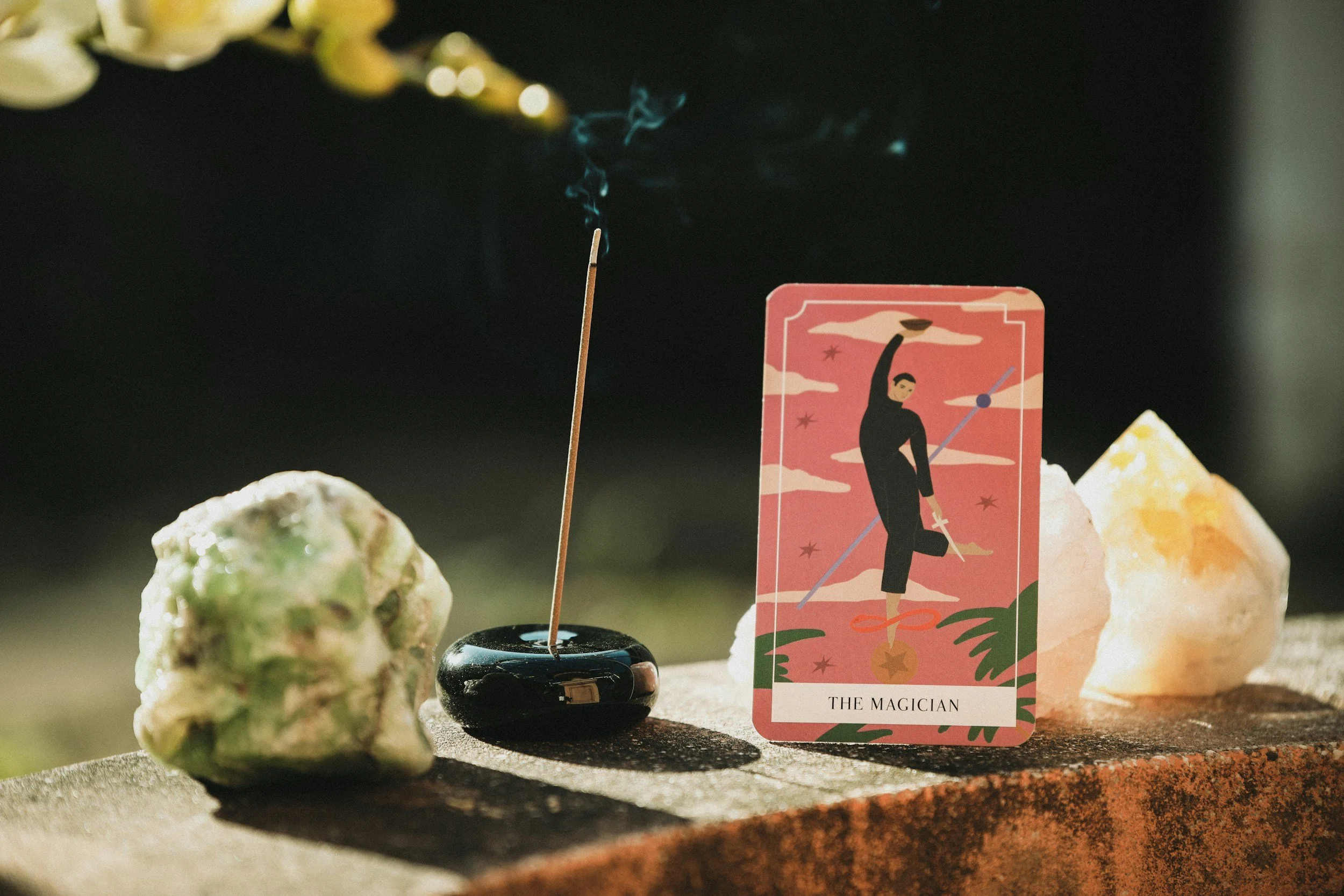
The Magician (I)
Symbolism: The infinity symbol above his head showcases unlimited potential, and the four suits on the table represent mastery of the elements.
Theme: Manifestation and resourcefulness.
The High Priestess (II)
Symbolism: The moon reflects intuition and the subconscious, while the scrolls represent hidden knowledge and secrets.
Theme: Wisdom and intuition.
The Empress (III)
Symbolism: The lush environment and the crown of stars signify fertility and abundance, while the pomegranate fruit hints at transformation.
Theme: Nurturing and creativity.
The Emperor (IV)
Symbolism: The ram’s head denotes authority and determination, while the throne shows stability and structure.
Theme: Leadership and control.
The Lovers (VI)
Symbolism: The angel represents higher guidance, while the two figures symbolize duality and choice.
Theme: Relationships and harmony.
The Chariot (VII)
Symbolism: The black and white sphinxes indicate balance and mastery over opposing forces, while the chariot suggests a journey or struggle.
Theme: Triumph and willpower.
Wheel of Fortune (X)
Symbolism: The wheel reminds us of the cyclical nature of life, while the four figures (angel, eagle, bull, and lion) represent the four fixed signs of the zodiac.
Theme: Fate and cycles.
Death (XIII)
Symbolism: The skeleton signifies transformation and rebirth, while the rose indicates beauty and new beginnings.
Theme: Endings and new beginnings.
The Star (XVII)
Symbolism: The water pouring from both jugs represents the flow of emotions and spirituality, while the stars above signify hope and guidance.
Theme: Inspiration and serenity.
The Moon (XVIII)
Symbolism: The moon reflects intuition and the subconscious, while the dogs represent the tame and wild aspects of our psyche.
Theme: Illusion and intuition.
Take your time to interpret these symbols through intuition and research. Consider keeping a journal for your reflections.
Practice Ethical Reading
Free Will: Remember that the cards show a likely outcome based on current energy. You always have the power to change your path.
Privacy: If reading for others, respect their boundaries and keep their questions private.
Learn the Tarot Meanings
Familiarise yourself with the basic meanings of each card. Many Tarot books and online resources can help you. Remember, context matters—keywords may change based on the card's position and surrounding cards.
Interpreting the Tarot Spread
Analyze the cards based on their positions in the spread. Consider their meanings, how they relate to one another, and trust your intuition. Expressive storytelling comes into play here—let the cards speak to you. Here are some examples:
Past Factors: Six of Swords
You’ve been travelling — physically or mentally — away from turmoil toward calmer waters. The Six of Swords in the past position confirms that the change underway has a trajectory: movement, transition, necessary distance from chaos. That passage may have been wearisome but purposeful. This card explains how you got to the current place of altered perspective: by deliberately moving away, letting certain stories close so others can begin.
Hidden Influences: The High Priestess
Underneath the motion of recovery lies quiet knowing. The High Priestess here is a reserve of intuition, secrets, and inner guidance shaping events. This card suggests that what’s shifting isn’t merely external circumstance but your inner landscape: dreams, gut impressions, private wisdom. She encourages listening to the still small voice that knows what cups can be refilled and how. She may also imply unseen information — intuition or symbolism you haven’t yet acknowledged — that, if honoured, will accelerate healing.

Present: The World
You stand at the centre of a ring of triumph. The World in the present position beams completion, integration and the joyful sense that the pieces have finally come together. This is a moment of culmination — a project, a relationship, a personal cycle — arriving at its satisfying close. You’ve learned, adapted and stretched; now you’re reaping the sense of wholeness that follows.
What this means for you now: Completion and achievement. Expect recognition, a successful ending, or the natural conclusion of an important phase. Celebrate what’s been finished. Integration: Different parts of your life or lessons you’ve learned are aligning. You feel more whole, balanced and centred.
Future Possibilities: Ace of Pentacles
A new seed emerges: practical opportunity, tangible stability, a fresh start with material promise. Following the emotional recovery and inner listening, the Ace of Pentacles offers the possibility of a grounded beginning — a job, a project, financial stability, or the first small step toward building something enduring. It’s the universe handing you a coin; the question is whether you’ll plant it. This card suggests the energy will support concrete, constructive action once you align heart and intuition.
Trust Your Intuition
Above all, trust your instincts. Tarot is as much about personal interpretation as it is about textbook meanings. Your intuition plays a vital role in unveiling the tale the cards wish to tell.
Practice Regularly
The best way to improve your Tarot reading skills is through practice! Read for yourself, friends, or explore online communities. The more you engage, the more comfortable you’ll become.

Reflect on the Readings
After your readings, take some time to reflect on the messages received. Keeping a Tarot journal can help you track your interpretations and notice patterns over time.
Finally, Just Have Fun!
Embrace the playful nature of Tarot! It's a fantastic tool for exploration and self-discovery. Let curiosity guide you, and don't get too hung up on strict meanings—enjoy the journey!
By following these steps, you’ll be well on your way to becoming a skilled Tarot reader. Happy card reading!