
Unlocking the Secrets of Your Zodiac Sign: A Comprehensive Guide
From daily horoscopes in newspapers to complex star charts, humanity has long been captivated by the cosmos and its potential influence on our lives. This universal fascination with astrology and its system of zodiac signs has spanned millennia and crossed countless cultures. Whether you're a devoted follower who plans your week by the planets or a curious skeptic wondering what it's all about, there's an undeniable allure to the idea that our personalities and paths might be written in the stars. The language of astrology offers a framework for self-exploration, a way to understand our strengths, weaknesses, and the unique energies that make us who we are.
The purpose of this guide is to provide a deep dive into the world of zodiac astrology, moving beyond simple sun-sign stereotypes to uncover the rich complexity behind your astrological profile. We will explore the ancient origins of the zodiac, break down the fundamental building blocks of the astrological wheel, and provide a detailed look at each of the 12 signs. This journey will equip you with the knowledge to not only identify your zodiac sign but to truly understand its deeper implications.
Prepare to venture beyond your daily zodiac horoscope. We will cover the historical roots of this ancient practice, offer a comprehensive overview of the individual signs, and introduce deeper astrological concepts like planets, houses, and aspects. Furthermore, we'll discuss the practical applications of this knowledge, from interpreting horoscopes with a more discerning eye to seeking a professional zodiac reading for personalized guidance. By the end, you'll have a robust foundation for understanding your unique place in the cosmic map.
What is a Zodiac Sign and How Does it Work?
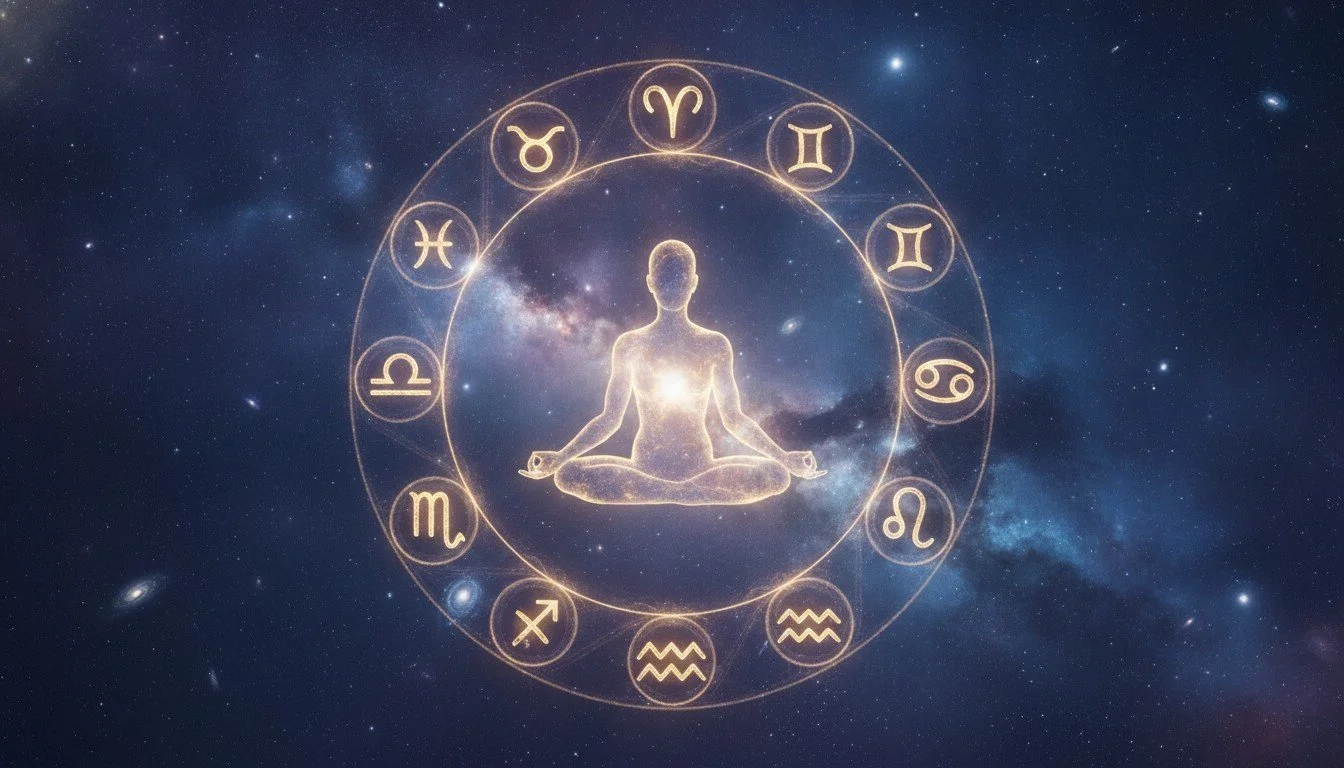
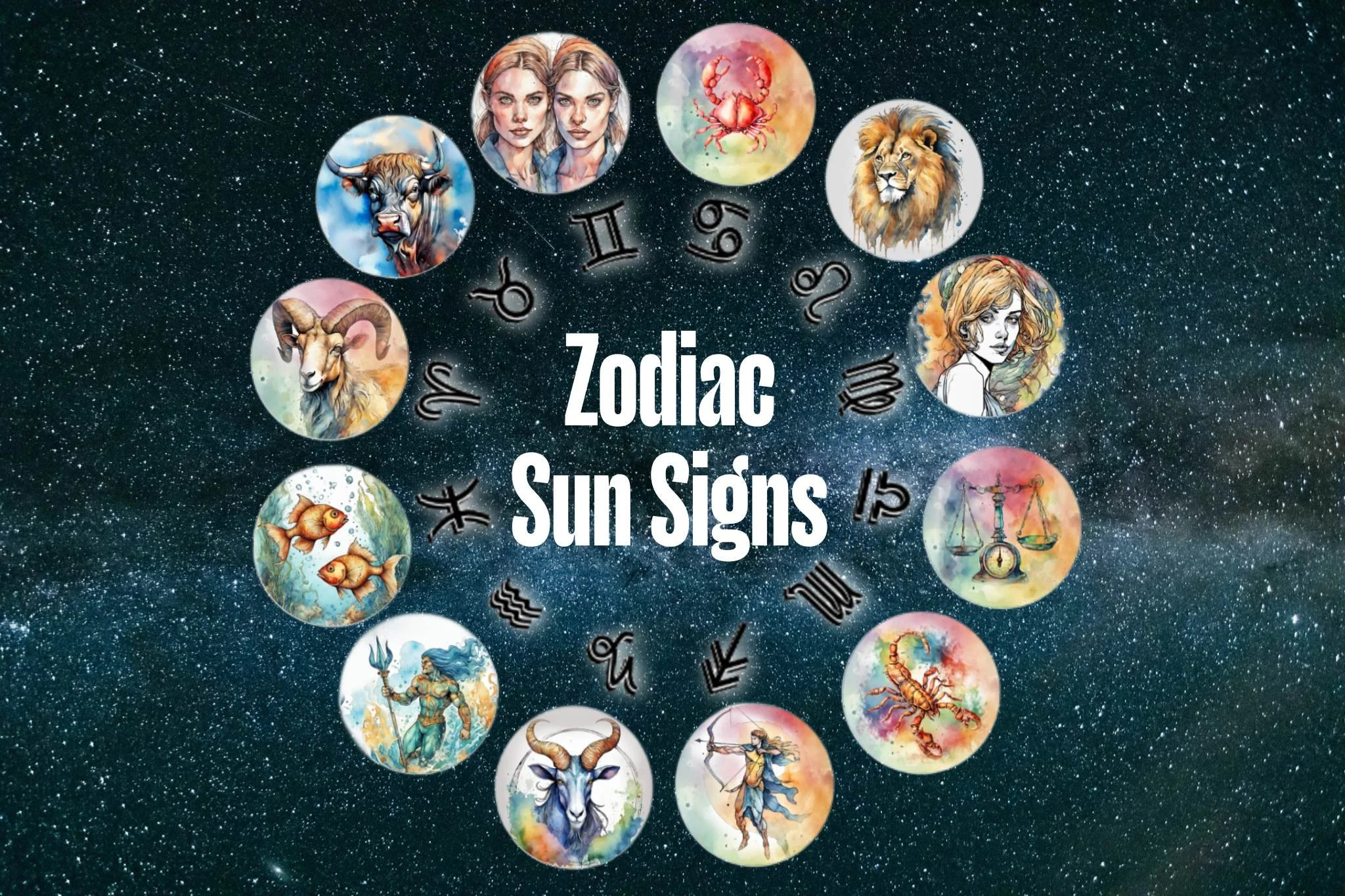
At its core, a zodiac sign, or astrology sign, represents a specific segment of the sky through which the sun appears to travel over the course of a year. This celestial pathway is known as the ecliptic. Ancient astrologers divided this path into 12 equal 30-degree sections, creating the "zodiac belt." Each of these segments is named after a constellation that historically resided within it, giving us the 12 signs we are familiar with today, from Aries to Pisces.
The fundamental principle of zodiac astrology is that the position of the sun at the precise moment of your birth determines your primary "sun sign." For example, if you were born in late March, the sun was in the segment of the sky designated as Aries, making that your zodiac sign. This placement is believed to imbue an individual with the core characteristics and energies associated with that sign. It’s the most well-known piece of our astrological identity and the one used for daily horoscopes.
However, it's crucial to understand that your sun sign is just the beginning—one piece of a much larger and more intricate astrological puzzle. A complete astrological profile, known as a natal or birth chart, maps the exact positions of all the planets, the moon, and various other celestial points at the time of birth. While the sun sign describes your essential ego and life force, the other placements reveal nuances about your emotions, communication style, relationships, and life's challenges and triumphs.

A Journey Through Time: The History of Zodiac Astrology
The roots of Western astrology can be traced back thousands of years to ancient Mesopotamia. The Babylonians, meticulous observers of the night sky, developed systematic methods for tracking celestial movements around the 1st millennium BCE. They were the first to create the concept of the 12-sign zodiac, interpreting the movements of the planets and stars as omens or messages from the gods.
This knowledge was later transmitted to the ancient Greeks, who blended it with their own mythology and philosophical systems. Around 280 BCE, a Babylonian priest named Berossus is said to have established a school of astrology on the Greek island of Kos, formally introducing these concepts to the Hellenistic world. It was during this period that astrology shifted from a practice focused on predicting worldly events to a more personalized system of natal astrology, aimed at understanding an individual's life based on their birth. The influential Greco-Roman astronomer and astrologer Claudius Ptolemy, living in the 2nd century CE, authored the *Tetrabiblos*, a text that became the foundational work for all of Western astrology for over a thousand years.
Throughout history, astrology has been practiced by various cultures, from Roman emperors who minted coins with their zodiac signs to medieval doctors who used planetary positions to determine the best times for treatment. Despite facing periods of skepticism, especially after the Enlightenment, astrology has seen a resurgence in modern times. Today, it is embraced by many not as a hard science for predicting the future, but as a powerful tool for self-discovery, personal growth, and understanding the complex tapestry of human personality.
The Astrological Wheel: A Cosmic Map
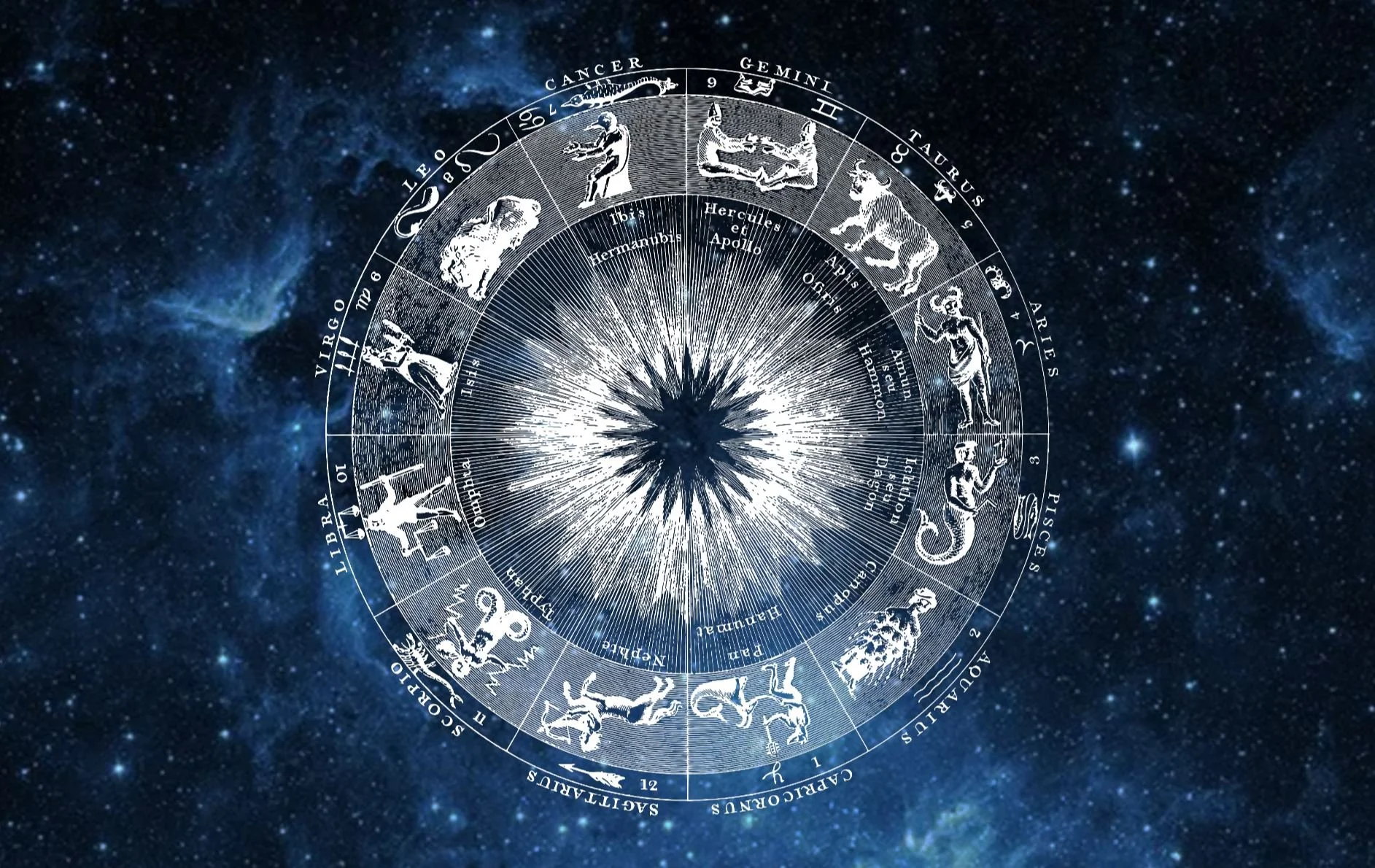
The astrological wheel, or zodiac, is a 360-degree map of the heavens centered on Earth. The key pathway in this map is the ecliptic, the apparent path the sun takes through the sky over one year. The 12 zodiac constellations are located along this path. As the Earth orbits the sun, the sun appears to move through each of these 12 segments, with each segment corresponding to a specific period of the year and a zodiac sign.
To bring a deeper layer of understanding to the 12 signs, astrology classifies them using two fundamental systems: elements and modalities. There are four elements—Fire, Earth, Air, and Water—with three signs assigned to each. The elements represent the basic temperament and orientation of a sign.
Fire Signs (Aries, Leo, Sagittarius): Associated with passion, energy, confidence, and creativity.
Earth Signs (Taurus, Virgo, Capricorn): Known for being grounded, practical, stable, and reliable.
Air Signs (Gemini, Libra, Aquarius): Characterized by intellect, communication, social energy, and independence.
Water Signs (Cancer, Scorpio, Pisces): Defined by emotion, intuition, sensitivity, and imagination.
In addition to the elements, there are three modalities: Cardinal, Fixed, and Mutable. The modalities describe the operational style or mode of expression for each sign. Each modality includes one sign from each of the four elements.
Cardinal Signs (Aries, Cancer, Libra, Capricorn): These signs initiate the seasons and are known for being leaders, self-starters, and action-oriented.
Fixed Signs (Taurus, Leo, Scorpio, Aquarius): Occurring in the middle of the seasons, these signs are known for their stability, determination, and resistance to change.
Mutable Signs (Gemini, Virgo, Sagittarius, Pisces): These signs end the seasons and are characterized by their adaptability, flexibility, and resourcefulness.
This elegant system of elements and modalities creates a unique combination for each of the 12 zodiac signs, providing a foundational blueprint for their core energies and motivations.
Finding and Understanding Your Unique Zodiac Sign
Determining your primary zodiac sign, also known as your sun sign, is the first step on your astrological journey. This is easily done by matching your birth date to the corresponding zodiac period. This sign represents the core of your personality, your ego, and the fundamental energy that drives you through life. It's the "you" that shines brightest and the lens through which you approach the world.
However, it is vital to remember that while your sun sign is a powerful and central component of your astrological identity, it is only one part of a much larger, more detailed profile. True zodiac astrology involves mapping the entire solar system at your moment of birth. The positions of the Moon, Mercury, Venus, Mars, and all the other planets contribute distinct layers to your character. Therefore, if you sometimes feel that generic descriptions of your sun sign don't fully capture your complexity, it's likely because these other influences are at play.
The real magic of astrology unfolds when you begin to look beyond these general descriptions. Learning more about your zodiac sign is an invitation to explore the deeper meanings embedded in your personal cosmic blueprint. It's a tool for self-awareness that can illuminate your innate talents, your emotional patterns, your communication style, and your hidden challenges, empowering you to navigate life with greater understanding and purpose.
Calculating Your Sun Sign Accurately
To find your sun sign, you simply need to know your date of birth. The sun moves through the twelve signs of the zodiac on a predictable yearly schedule. Below are the generally accepted date ranges for each of the 12 zodiac signs. Keep in mind that due to leap years, the exact day the sun changes signs can shift slightly from year to year.
Aries: March 21 - April 19
Taurus: April 20 - May 20
Gemini: May 21 - June 20
Cancer: June 21 - July 22
Leo: July 23 - August 22
Virgo: August 23 - September 22
Libra: September 23 - October 22
Scorpio: October 23 - November 21
Sagittarius: November 22 - December 21
Capricorn: December 22 - January 19
Aquarius: January 20 - February 18
Pisces: February 19 - March 20
If your birthday falls on the first or last day of a sign's date range, you are considered to be born "on the cusp." In these cases, the sun was changing signs on the day you were born. To know your true sun sign with absolute certainty, you would need to know your exact time of birth. The sun changes signs at a very specific minute of the day, and this time can vary each year. For those without this information or who want a quick and reliable answer, numerous online tools can calculate your sun sign for you. A quick search for a "birth chart calculator" will provide many options where you can enter your birth details for an immediate and accurate result.
Beyond Birth Dates: The Cusp Phenomenon
Being born "on the cusp" means your birthday falls on or very near the day the sun moves from one zodiac sign to the next. This typically occurs during the third week of any given month. People born during these transitional periods, such as April 19-21 (Aries-Taurus cusp) or October 21-23 (Libra-Scorpio cusp), often report feeling like they embody traits from both of the adjacent signs. This has led to a popular belief in "cusp signs" as a unique astrological category.
However, within the professional astrological community, there is a consensus that a person's sun sign is definitively one or the other—never both. The sun can only occupy one zodiacal position at a single moment in time. So, even if the sun changed signs just minutes after your birth, your sun sign is the one it was in at the moment you were born. The idea of a cusp is better understood as an influence or a blending of energies rather than a dual identity.
For individuals born on a cusp, the best way to explore this unique blend of energies is to look at the complete birth chart. While your sun sign might be at the very end of Pisces (say, 29 degrees), you may have other personal planets, like Mercury or Venus, in the following sign of Aries. This would naturally create a personality that is a dynamic mix of Piscean sensitivity and Arian assertiveness. Rather than identifying as a "cusp sign," a more accurate approach is to see yourself as an early or late-degree member of your true sun sign, with potential influences from the neighboring sign showing up elsewhere in your chart.
The 12 Zodiac Signs: Dates, Symbols, and Core Traits
The zodiac wheel is a vibrant tapestry of 12 distinct archetypes, each with its own symbol, ruling planet, elemental nature, and mode of operation. This combination of factors gives every zodiac sign a unique essence and a specific set of personality traits, strengths, and challenges. Understanding these core components is the first step to appreciating the rich diversity within astrology. From the fiery initiative of Aries to the dreamy compassion of Pisces, each sign contributes a necessary energy to the cosmic whole. Let's explore the fundamental characteristics that define each of the 12 signs.
Fire Signs: Aries, Leo, Sagittarius
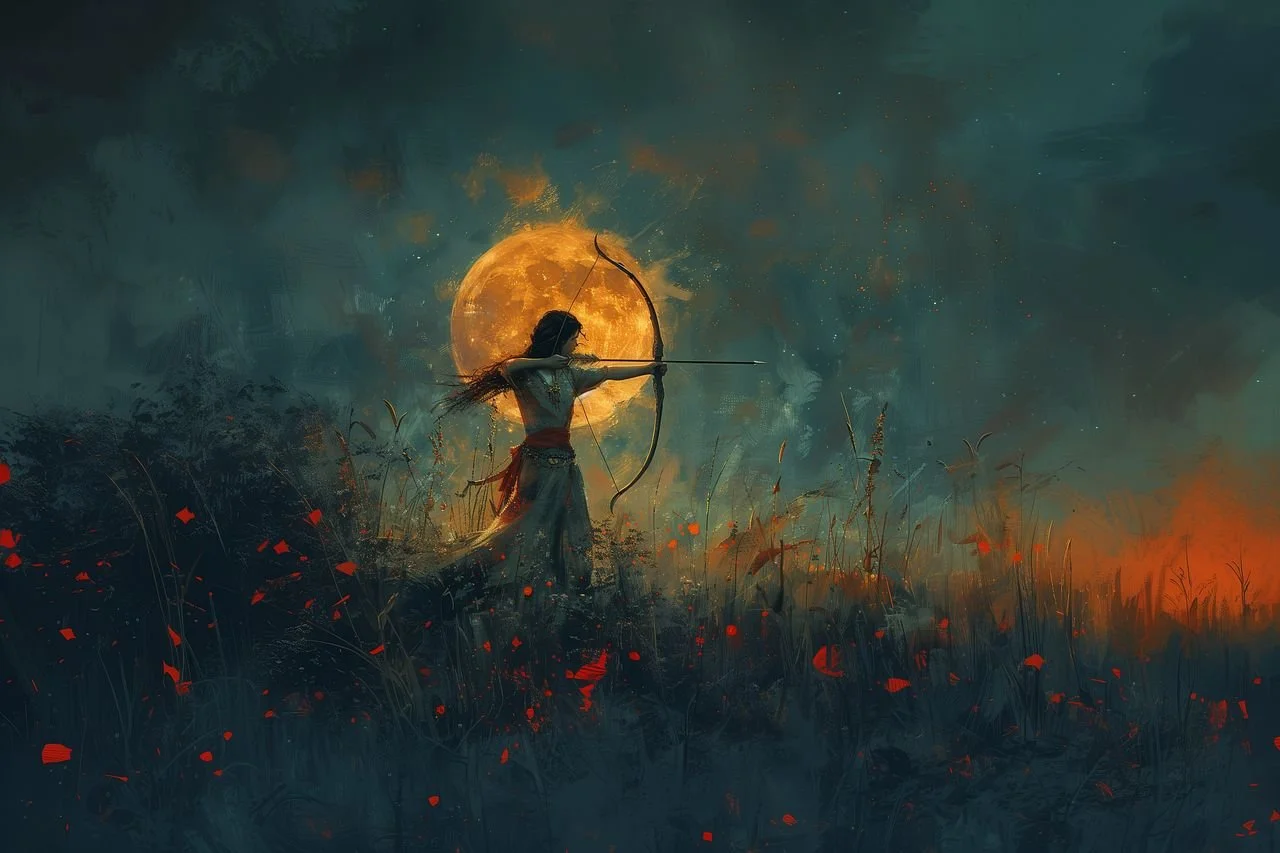
The Fire signs are the dynamos of the zodiac. Characterized by passion, confidence, creativity, and courage, they are forces of nature who bring warmth and excitement to the world. They are spontaneous, assertive, and driven by a need for self-expression and action.
Aries (March 21 - April 19):
Symbol: The Ram
Ruling Planet: Mars
Element: Fire
Modality: Cardinal
Key Traits: As the first sign of the zodiac, Aries is the ultimate pioneer. Those born under this sign are energetic, courageous, impulsive, and assertive. They are natural leaders who dive headfirst into challenges. Their greatest strength is their boundless drive and pioneering spirit. However, this same impulsive energy can lead to impatience and a tendency to start projects they don't finish.
Leo (July 23 - August 22):
Symbol: The Lion
Ruling Planet: The Sun
Element: Fire
Modality: Fixed
Key Traits: Ruled by the Sun itself, Leos are confident, generous, and have a flair for the dramatic. They are natural-born leaders who thrive in the spotlight. Their charisma and warm-hearted nature draw people to them. A Leo's strength lies in their loyalty and magnanimous spirit, but their weakness can be a need for constant attention and a potential for arrogance if their ego is not in check.
Sagittarius (November 22 - December 21):
Symbol: The Archer
Ruling Planet: Jupiter
Element: Fire
Modality: Mutable
Key Traits: The adventurers of the zodiac, Sagittarians are optimistic, philosophical, and have an insatiable love for freedom. They are on a perpetual quest for knowledge and new experiences. Their greatest strength is their boundless optimism and intellectual curiosity. Their weakness often lies in their bluntness—they value truth so highly that they can sometimes lack tact—and a restlessness that can make commitment challenging.
Earth Signs: Taurus, Virgo, Capricorn

The Earth signs are the builders and stabilizers of the zodiac. Grounded, practical, and reliable, they are masters of the material world. They value security and have a strong connection to the physical senses, finding comfort in what is tangible and real.
Taurus (April 20 - May 20):
Symbol: The Bull
Ruling Planet: Venus
Element: Earth
Modality: Fixed
Key Traits: Taurus is known for being stable, sensual, and immensely practical. They appreciate the finer things in life and work diligently to create a world of comfort and security. Their key strength is their unwavering reliability and patience. Once they set a course, they stick to it. This same steadfastness, however, can manifest as their greatest weakness: a deep-seated stubbornness and resistance to change.
Virgo (August 23 - September 22):
Symbol: The Maiden
Ruling Planet: Mercury
Element: Earth
Modality: Mutable
Key Traits: Virgos are analytical, diligent, and practical with a keen eye for detail. They are driven by a desire to be helpful and to improve themselves and the world around them. Their greatest strength is their meticulous attention to detail and their service-oriented nature. This can, however, shade into their primary weakness: a tendency towards perfectionism and an overly critical nature, both of themselves and others.
Capricorn (December 22 - January 19):
Symbol: The Sea-Goat
Ruling Planet: Saturn
Element: Earth
Modality: Cardinal
Key Traits: Capricorns are the ambitious strategists of the zodiac. They are disciplined, responsible, and have a deep respect for tradition. Their life is often a slow, steady climb to the top. Their incredible work ethic and sense of duty are their core strengths. Their weakness can be a tendency towards pessimism and a "work-first" mentality that can make it difficult for them to relax and express their emotions.
Air Signs: Gemini, Libra, Aquarius
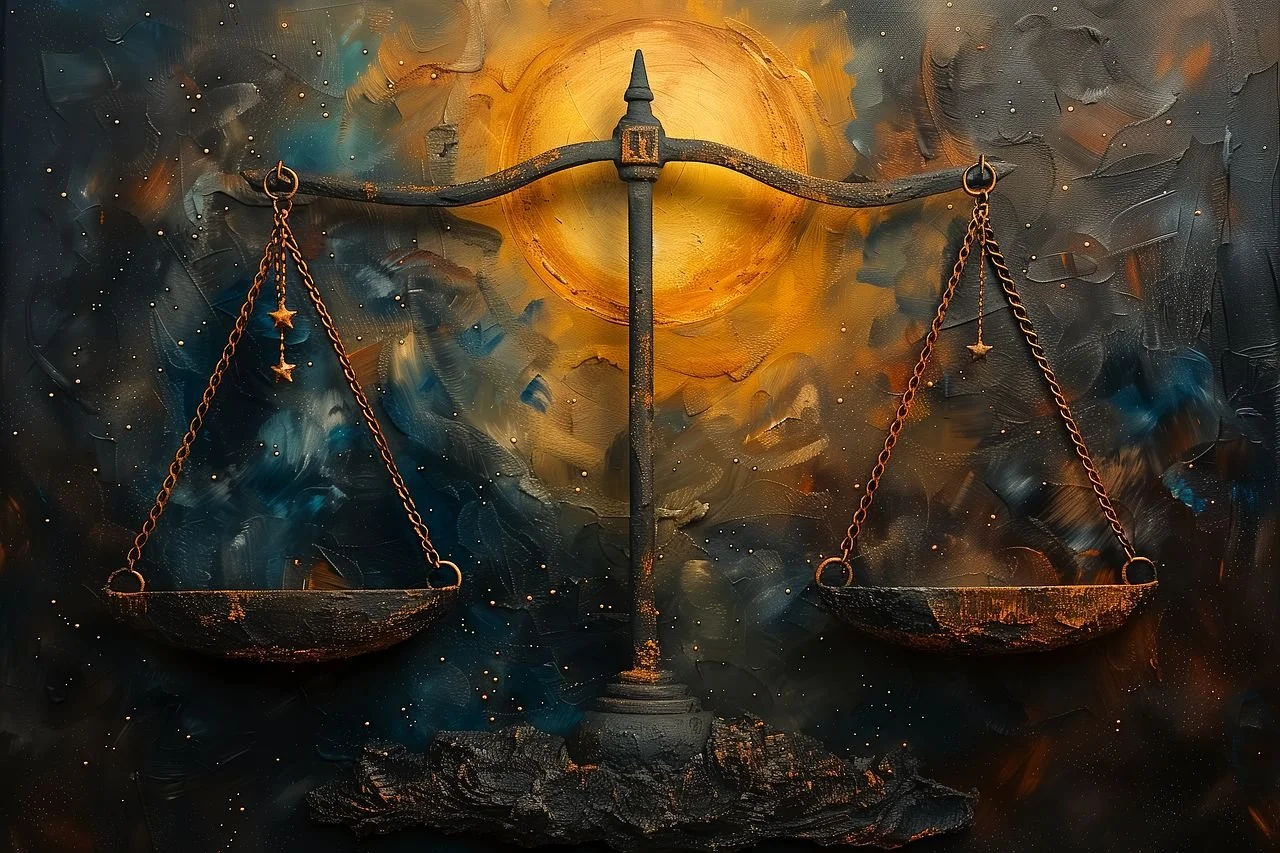
The Air signs are the intellectuals and communicators of the zodiac. They are social, curious, and analytical, living in the world of ideas and information. They connect people and concepts, bringing a sense of objectivity and reason to any situation.
Gemini (May 21 - June 20):
Symbol: The Twins
Ruling Planet: Mercury
Element: Air
Modality: Mutable
Key Traits: Geminis are defined by their communicative nature, intellectual curiosity, and adaptability. Symbolized by the Twins, they often have a dualistic nature and are skilled at seeing things from multiple perspectives. Their greatest strength is their versatility and quick-wittedness. However, this can also be their weakness, leading to restlessness, inconsistency, and a tendency to be scattered.
Libra (September 23 - October 22):
Symbol: The Scales
Ruling Planet: Venus
Element: Air
Modality: Cardinal
Key Traits: Libras are driven by a need for harmony, balance, and justice. They are diplomatic, social, and have a natural charm. As lovers of beauty and partnership, they thrive in pleasant and cooperative environments. Their strength is their ability to see all sides of an issue and mediate conflict. Their primary weakness is a corresponding indecisiveness and a deep-seated avoidance of confrontation.
Aquarius (January 20 - February 18):
Symbol: The Water Bearer
Ruling Planet: Uranus (Modern), Saturn (Traditional)
Element: Air
Modality: Fixed
Key Traits: Aquarians are the innovators and humanitarians of the zodiac. They are independent, progressive, and often a bit eccentric. They are focused on the collective and driven by a desire to make the world a better place. Their strength lies in their visionary ideas and their commitment to social causes. Their weakness can be a tendency towards emotional detachment and a stubborn adherence to their own ideals.
Water Signs: Cancer, Scorpio, Pisces

The Water signs are the emotional and intuitive heart of the zodiac. They are sensitive, compassionate, and deeply connected to the subconscious realm. They operate on feeling and instinct, bringing empathy and depth to their relationships and experiences.
Cancer (June 21 - July 22):
Symbol: The Crab
Ruling Planet: The Moon
Element: Water
Modality: Cardinal
Key Traits: Cancers are nurturing, emotional, and highly intuitive. Like the crab with its protective shell, they have a tough exterior that guards a soft, sensitive interior. They are deeply connected to home and family. Their greatest strength is their profound empathy and ability to care for others. Their weakness is a tendency towards moodiness and being overly protective or defensive when they feel threatened.
Scorpio (October 23 - November 21):
Symbol: The Scorpion
Ruling Planet: Pluto (Modern), Mars (Traditional)
Element: Water
Modality: Fixed
Key Traits: Scorpios are intense, passionate, and mysterious. They are incredibly resourceful and possess a deep well of emotional strength. They seek truth and are not afraid to delve into the darker aspects of life. Their unwavering loyalty and magnetic presence are their key strengths. Their weakness can manifest as jealousy, possessiveness, and a secretive nature.
Pisces (February 19 - March 20):
Symbol: The Fish
Ruling Planet: Neptune (Modern), Jupiter (Traditional)
Element: Water
Modality: Mutable
Key Traits: Pisces are the dreamers and mystics of the zodiac. They are compassionate, artistic, and deeply intuitive. Symbolized by two fish swimming in opposite directions, they are often navigating between fantasy and reality. Their greatest strength is their boundless creativity and empathy. Their weakness is a vulnerability to escapism and a tendency to be overly impressionable or easily influenced by others.
Beyond the Sun Sign: Deeper Zodiac Astrology
While understanding your sun sign provides a fantastic starting point, true zodiac astrology invites you to look at a much more detailed and personalized map of the cosmos. The idea that everyone born under the same sign is identical is a common oversimplification. The real depth of astrological insight comes from analyzing your complete natal chart, also known as a birth chart. This chart is a snapshot of the sky at the exact moment and location of your birth, capturing the unique positions of all the celestial bodies.
Think of your sun sign as the lead actor in the play of your life. It's the central character, but it doesn't tell the whole story. To get the full picture, you need to consider the supporting cast and the setting. In astrology, this means looking at the roles of the other planets, the different stages of life represented by the astrological houses, and the dynamic relationships between them, known as aspects. This comprehensive approach is what allows for a truly nuanced and accurate zodiac reading, revealing the intricate web of energies that makes you uniquely you.
The Role of Planets in Your Chart
Each major celestial body in our solar system governs a different facet of our personality and life experience. While the Sun represents our core identity, the other planets color in the details. The zodiac sign a planet was in at your birth describes *how* that planet's energy is expressed.
The Moon: Governs your emotions, instincts, and subconscious needs. A Moon in nurturing Cancer will express emotion very differently than a Moon in practical Capricorn.
Mercury: Rules communication, thought processes, and intellect. Someone with Mercury in fast-paced Gemini might be a quick talker, while Mercury in thoughtful Virgo will be more analytical and precise.
Venus: Represents love, beauty, values, and relationships. Venus in passionate Aries seeks excitement in love, whereas Venus in stable Taurus values security and sensuality.
Mars: Governs action, drive, anger, and desire. Mars in assertive Aries is direct and competitive, while Mars in diplomatic Libra may struggle with direct confrontation.
Jupiter: The planet of expansion, luck, wisdom, and philosophy. It shows where we seek growth and have natural faith.
Saturn: Represents structure, discipline, limitations, and life lessons. It points to areas where we must work hard to achieve mastery.
Uranus: Rules innovation, rebellion, and sudden change. Its placement indicates where we are most unconventional.
Neptune: Governs dreams, intuition, spirituality, and illusion. It shows where we are most creative and also where we might be prone to confusion.
Pluto: Represents power, transformation, and rebirth. Its position highlights areas of deep, psychological change and evolution.
Understanding Astrological Houses
The birth chart is divided into 12 segments called houses, each representing a specific area or stage of life. While the zodiac signs describe *how* a planet's energy operates, the house it falls into shows *where* in your life that energy is most likely to play out. Everyone has all 12 houses in their chart, but the ones containing planets are given special emphasis.
Here is a brief overview of what each house represents:
1st House: The Self, identity, appearance, and first impressions.
2nd House: Finances, possessions, self-worth, and values.
3rd House: Communication, siblings, short trips, and early learning.
4th House: Home, family, roots, and emotional foundations.
5th House: Creativity, romance, joy, and self-expression.
6th House: Daily routines, health, work, and service.
7th House: Partnerships, marriage, and one-on-one relationships.
8th House: Shared resources, intimacy, and transformation.
9th House: Higher education, travel, philosophy, and belief systems.
10th House: Career, public image, and reputation.
11th House: Friendships, community, and future aspirations.
12th House: The subconscious, spirituality, and endings.
To illustrate, consider the planet Mars, which represents drive and action. If Mars is in your 7th House of relationships, you might be driven to form partnerships and could be assertive or even confrontational in your one-on-one dealings. If Mars is in your 10th House of career, that same assertive energy would be channeled into your professional ambitions, making you a driven and competitive force in your field.
Key Aspects and Their Meanings
The final layer of a basic chart interpretation is understanding "aspects." In astrology, an aspect is the angular relationship between two planets in a birth chart, measured in degrees. These angles reveal how different parts of your personality interact with each other. Some aspects create a harmonious flow of energy, highlighting natural talents, while others create tension and friction, pointing to internal challenges and areas for growth.
The five major aspects, sometimes called Ptolemaic aspects, are the most significant:
Conjunction (0°): Two planets are very close together, blending and intensifying their energies. This is a powerful aspect, and its effect can be either beneficial or challenging depending on the planets involved.
Opposition (180°): Two planets are on opposite sides of the chart. This creates a dynamic of tension, polarity, and awareness. It often manifests as a pull between two competing desires that must be balanced.
Trine (120°): The planets are in signs of the same element (e.g., Fire to Fire). This is the most harmonious aspect, indicating a natural flow of energy, innate talents, and ease.
Square (90°): The planets are in signs of the same modality (e.g., Cardinal to Cardinal). This is a challenging aspect that creates tension, friction, and obstacles that demand action and force growth.
Sextile (60°): The planets are in signs of compatible elements (e.g., Fire and Air). This is an aspect of opportunity, suggesting that the planetary energies work well together and can be easily harnessed for productive outcomes.
By examining the aspects in a natal chart, an astrologer can see the underlying dynamics of a person's character. A chart full of trines might indicate a person with many natural gifts but who may lack motivation, while a chart with many squares can point to a life of challenges that ultimately builds great strength and character.
Daily Insights: What Your Zodiac Horoscope Reveals
For many people, their primary interaction with astrology is through their daily, weekly, or monthly zodiac horoscope. These forecasts, found in magazines, apps, and websites, offer guidance based on one's sun sign. It's important to understand what a horoscope is and how it differs from a comprehensive natal chart reading. A horoscope is a generalized interpretation of how current planetary movements, known as "transits," might be affecting each of the 12 zodiac signs.
Unlike a birth chart, which is a fixed map of the sky at your birth, horoscopes are dynamic and focus on the ever-shifting positions of the planets. Astrologers analyze where the planets are today and how the angles they form might interact with the general energy of your sun sign. For example, if Venus, the planet of love, is moving through a compatible sign, your horoscope might predict a positive period for romance.
Because they are written for a broad audience (everyone who shares your sun sign), horoscopes are by nature very general. They can provide a useful snapshot of the prevailing cosmic "weather" and offer themes to reflect upon, but they cannot offer the specific, personalized detail that a full zodiac reading can. The best way to approach your horoscope is as a tool for mindfulness and self-reflection rather than a concrete prediction of events.
The Purpose of a Horoscope
The primary purpose of a zodiac horoscope is to offer general guidance and highlight potential themes, not to provide definitive predictions about the future. Horoscopes are built on the principle of planetary transits—the ongoing movement of the planets through the zodiac. Astrologers track these movements and interpret how the current celestial climate might influence the archetypal energies of each of the 12 sun signs.
When you read that it's a good day for communication, it might be because Mercury (the planet of communication) is forming a harmonious aspect with the sun's current position. These interpretations are meant to reflect the general mood or energy of the day. They are not meant to be taken as literal prophecies that will override your free will or personal circumstances. A horoscope cannot know the specifics of your individual life or the full complexity of your personal birth chart.
Instead, horoscopes can serve as a valuable tool for self-reflection and for navigating daily energies more consciously. They can prompt you to think about certain areas of your life, such as your career, relationships, or personal growth. By drawing your attention to potential opportunities or challenges, a well-written horoscope encourages you to be more mindful of your actions and choices, using the day's cosmic energy as a guide for introspection.
How to Interpret Your Daily Horoscope
To get the most out of your daily zodiac horoscope, it helps to approach it with the right mindset and a bit of astrological knowledge. First, for a more accurate and personalized interpretation, many astrologers recommend reading the horoscope for your rising sign (also called the ascendant) in addition to your sun sign. The rising sign is determined by the zodiac sign that was on the eastern horizon at your exact time of birth and it governs your 1st House of self. Since the house system is often used to structure horoscopes, the forecast for your rising sign can sometimes feel more relevant to your immediate experiences.
When reading your horoscope, look for recurring themes and overarching messages rather than getting hung up on specific details. If your horoscope mentions a focus on communication for the week, consider how that theme might apply to your personal situation. Do you have an important conversation coming up? Is there an email you've been meaning to send? The horoscope provides the theme; you provide the context.
Most importantly, use horoscopes as a guide for introspection rather than as a strict prophecy. Think of it as a cosmic weather report. If the report calls for rain, you might decide to bring an umbrella, but you still decide where you're going. A horoscope can offer valuable insights and prompts for self-awareness, but it should never replace your own judgment and free will. It's a tool to enhance your journey, not dictate it.
Distinguishing Good vs. Bad Horoscopes
In a world saturated with content, it can be challenging to, tell the difference between a thoughtfully crafted zodiac horoscope and one that is overly generic or sensationalized. A reputable horoscope is typically written by a professional astrologer and will offer nuanced guidance rather than dramatic, definitive predictions. Look for sources that provide detailed explanations for their interpretations, perhaps mentioning which planets are influencing the forecast. This shows that the advice is grounded in actual astrological principles.
Be wary of horoscopes that are overly simplistic, fatalistic, or focused on fear-mongering. Vague, one-sentence predictions that could apply to anyone at any time are often a red flag. Similarly, horoscopes that make sensationalized claims about finding true love tomorrow or suffering a terrible fate are usually designed for clicks rather than genuine guidance. Good astrology empowers you with knowledge; it doesn't aim to create fear or dependency.
Ultimately, the best way to judge a horoscope is to use critical thinking and trust your own resonance. Does the advice feel insightful and applicable to your life in a meaningful way? Does it encourage self-reflection and empower you to make conscious choices? A quality horoscope should feel like wise counsel from a trusted friend, offering a perspective that helps you navigate your week with greater awareness. If a source consistently provides thoughtful and resonant guidance, it's likely a good one to follow.
Personalized Guidance: Exploring Zodiac Reading
For those seeking to move beyond general horoscopes and gain a truly deep understanding of their astrological makeup, a professional zodiac reading is the next step. A personalized reading involves an experienced astrologer analyzing your unique birth chart in its entirety. This process offers profound insights that are tailored specifically to you, covering everything from your core personality and life path to your relationship dynamics and hidden challenges.
There are several different types of astrological readings available, each designed to answer specific questions or explore different areas of life. Whether you want to understand your innate strengths and weaknesses, analyze your compatibility with a partner, or look at the timing of future events, there is a type of zodiac reading that can provide clarity. This personalized approach is the key to unlocking the full power of astrology as a tool for self-awareness and guidance.
Choosing the right astrologer is a crucial part of the process. A reputable practitioner will not only have a deep knowledge of astrological techniques but will also be able to communicate their insights in a clear, compassionate, and empowering way. With the right guide, a zodiac reading can be a transformative experience, offering a new perspective on your life's journey.
What is a Professional Zodiac Reading?
A professional zodiac reading is a one-on-one consultation where an astrologer interprets your personal birth chart. To prepare for the reading, you will need to provide your exact date, time, and location of birth. Using this information, the astrologer casts your unique natal chart—a map of the heavens at the moment you were born. This chart serves as the blueprint for the entire session.
During the reading, the astrologer will systematically analyze the positions of the sun, moon, and all the planets within the zodiac signs and the 12 astrological houses. They will also examine the aspects, or geometric angles, between the planets to understand the dynamic interplay of energies within your personality. This detailed analysis allows them to offer deep insights into your character, inherent strengths, potential weaknesses, life purpose, and recurring life patterns.
A key benefit of a professional reading is its interactive nature. It's not just a lecture; it's a conversation. You have the opportunity to ask specific questions about areas of your life that you're curious about, such as career, relationships, or family. The astrologer uses the chart to provide context and guidance, helping you understand the cosmic energies at play and how you can work with them most effectively. The goal is to leave you with a greater sense of clarity, self-acceptance, and empowerment.
Types of Readings: Natal Chart, Synastry, Predictive
Astrologers offer various types of readings, each with a specific focus. Understanding the differences can help you choose the one that best suits your needs.
Natal Chart Reading: This is the most fundamental and common type of reading. It is a deep dive into your personal birth chart, focusing on your inherent personality, strengths, weaknesses, talents, and life purpose. A natal chart reading is an excellent starting point for anyone new to astrology, as it provides the foundational understanding of your unique cosmic blueprint. It's a powerful tool for self-discovery and personal growth.
Synastry/Compatibility Reading: This type of reading analyzes the dynamic between two individuals by comparing their birth charts. It is most commonly used for romantic partners but can also be incredibly insightful for business partners, family members, or friends. The astrologer lays one chart over the other to see how the planets interact, identifying areas of natural harmony, potential friction, and karmic connection. Synastry can reveal the core dynamics of a relationship and offer tools for navigating challenges.
Predictive Readings (Transits, Progressions): For those looking to understand current life events or plan for the future, predictive readings are ideal. These sessions focus on how the current and upcoming movements of the planets (transits) are activating specific points in your natal chart. Astrologers also use techniques like secondary progressions, which track the symbolic evolution of your chart over time. This type of reading doesn't offer fixed predictions but rather explores future potentials, developmental cycles, and the timing of significant life events, helping you to align your actions with the cosmic flow.
Choosing a Reputable Astrologer
Finding the right astrologer is a personal choice, but there are several key qualities to look for to ensure a positive and valuable experience. First and foremost, consider their experience and background. A reputable astrologer will often have years of study and practice, and many will be transparent about their training and philosophical approach to astrology. Look for testimonials or reviews from previous clients to get a sense of their style and the quality of their work.
Communication style is also crucial. A good astrologer should be able to explain complex astrological concepts in a way that is clear, understandable, and empowering. They should foster a safe and non-judgmental space for you to ask questions and share your experiences. Before booking a session, it can be helpful to ask a potential astrologer a few questions about their process, such as what a typical reading entails or what their ethical guidelines are. This can help you determine if their approach resonates with you.
Finally, it's beneficial to set clear intentions for your reading. What do you hope to learn or gain clarity on? Having specific questions or areas of focus can help you and the astrologer get the most out of your time together. A zodiac reading is an investment in your self-awareness, and choosing a practitioner you trust and connect with is key to maximizing its value.
Discovering More About Your Zodiac Sign and Astrology
Your journey into the world of zodiac astrology doesn't have to end here. In fact, understanding the basics of your sun sign and birth chart is often just the beginning of a lifelong process of learning and self-discovery. The more you explore, the more you'll realize the incredible depth and nuance that this ancient system has to offer. Astrology is not a static set of rules but a dynamic language that can help you navigate the complexities of your inner world and your life's path.
There are numerous resources available to help you deepen your understanding, from classic books and modern podcasts to sophisticated online tools. The key is to remain curious and open-minded. Whether you prefer structured learning through courses, self-study with books, or collaborative learning within a community, there is a path for you to continue your exploration.
Remember that astrology is a tool for empowerment. The ultimate goal is not to become dependent on predictions but to use astrological insights to foster greater self-awareness, compassion, and conscious choice in your life. As you continue to learn, you'll be better equipped to understand your own patterns, appreciate the unique qualities of others, and align your life with your truest potential.
Recommended Books and Educational Resources
For those who enjoy a structured, self-paced approach, books are an invaluable resource for learning astrology. There are many excellent texts available for every level of expertise.
For absolute beginners, a few highly-rated introductory books include:
Llewellyn's Complete Book of Astrology by Kris Brandt Riske: A comprehensive and easy-to-understand guide that covers all the basics, from signs and planets to houses and aspects.
The Only Astrology Book You'll Ever Need by Joanna Martine Woolfolk: A classic beginner's text that provides detailed descriptions and is a great starting point for understanding chart components.
Astrology for Yourself by Douglas Bloch and Demetra George: This book takes a unique workbook-style approach, guiding you through the process of interpreting your own chart as you learn.
Beyond books, the digital world offers a wealth of knowledge. Many professional astrologers offer reputable online courses and workshops that provide structured learning with expert guidance. For more casual learning, there are countless podcasts and YouTube channels dedicated to astrology. These can be a great way to hear different perspectives and stay up-to-date on current planetary transits. Look for creators who are established astrologers and who focus on education rather than just entertainment.
Online Tools for Self-Discovery
The internet has made it easier than ever to access your personal astrological information. There are several popular and reliable online tools that can generate your birth chart for free and provide initial interpretations.
A couple of widely used and respected online birth chart calculators include:
Astro.com (Astrodienst): This is one of the most comprehensive and long-standing astrology websites, offering highly detailed and accurate chart calculations for free.
CafeAstrology.com: This site is known for its user-friendly interface and detailed, easy-to-read reports that are great for beginners looking to understand their chart placements.
To use these tools, you will need your exact birth date, time, and location. Once you enter this information, the calculator will generate your unique natal chart along with interpretations for your planetary placements, signs, and houses. These tools are fantastic for self-discovery and can provide a solid foundation for understanding your personal astrology. However, it's important to be mindful that automated interpretations, while helpful, can lack the synthesis and nuance that a professional astrologer provides. Use them as a starting point for your study, but don't rely on them as the final word.
Engaging with the Astrology Community
Learning about astrology can be an even richer experience when shared with others. Engaging with the broader astrology community is a wonderful way to deepen your understanding, ask questions, and learn from the diverse experiences of fellow enthusiasts. There are many avenues for connection, both online and in person.
Online forums, such as those found on Reddit (like r/astrology) or specialized astrology websites, can be great places to discuss chart interpretations and share insights. Social media platforms also host numerous groups and communities where beginners and experts alike can connect. Following reputable astrologers on these platforms can also provide a steady stream of valuable content and learning opportunities.
For those who prefer face-to-face interaction, searching for local meetups or astrology groups in your area can be a rewarding experience. The benefit of these communities is the opportunity for respectful dialogue and the exchange of different perspectives. Hearing how a particular astrological placement manifests in someone else's life can bring the concepts to life in a way that books alone cannot. This shared learning process can greatly accelerate your understanding and appreciation for the complexities of zodiac astrology.
Frequently Asked Questions About Zodiac Signs
As you delve into the world of astrology, it's natural for questions and curiosities to arise. The subject is vast, and there are many common misconceptions that can be confusing for newcomers. To help solidify your understanding and clear up some of the most frequent queries, this section provides concise, informative answers to some of the most frequently asked questions about zodiac signs and the practice of astrology.
Common Misconceptions About Zodiac Signs
"Astrology is just horoscopes": This is one of the most common misconceptions. Daily horoscopes are a very small, generalized part of astrology. True zodiac astrology is a complex system based on a detailed analysis of a person's unique birth chart, which includes the positions of all planets, houses, and their geometric relationships (aspects).
"My sign doesn't sound like me": It's very common to feel that a generic sun sign description doesn't fully capture your personality. This is because your sun sign is only one piece of your astrological puzzle. Your moon sign (emotions), rising sign (outer persona), and the placements of Mercury, Venus, Mars, and other planets all contribute to your unique character. A full birth chart reading often reveals why you may not identify strongly with just your sun sign.
"Astrology is fatalistic": A core misunderstanding is that astrology dictates a fixed destiny. Modern astrology emphasizes that the birth chart describes tendencies, potentials, and life themes, not an unchangeable fate. It is a map of your energies, but you are the one navigating. Astrology is a tool for self-awareness that empowers you to make conscious choices, not a script that removes your free will.
The Science Behind Astrology (or Lack Thereof)
It is important to address the relationship between astrology and science. The mainstream scientific community generally regards astrology as a pseudoscience, meaning it is a belief system presented as scientific but lacking supporting evidence from the scientific method. Numerous studies have been conducted to test the claims of astrology, and they have not found statistically significant evidence to validate its predictive power.
Astrology should not be confused with astronomy. Astronomy is the scientific study of celestial objects and the universe, focusing on their physical properties, movements, and origins. Astrology, on the other hand, is the interpretation of the purported influence of these celestial bodies on human affairs and personality. While they share a common history, they diverged significantly, especially after the Enlightenment.
Most modern practitioners and enthusiasts approach astrology not as a predictive science but as a philosophical or spiritual system. They view it as a symbolic language, a tool for introspection, and a framework for understanding the archetypal energies that shape the human experience. Its value is often found in the personal meaning and self-awareness it provides, rather than in its ability to be proven by scientific standards.
Can My Zodiac Sign Change?
Your sun sign, which is determined by your date of birth, does not change. It is a fixed placement based on the sun's position in the zodiac at the moment you were born. However, you may have heard discussions about a "13th zodiac sign" called Ophiuchus, which has led to some confusion.
The debate around Ophiuchus stems from the difference between the astrological zodiac and the astronomical constellations. The Western zodiac is a historical system that divides the ecliptic (the sun's path) into 12 equal 30-degree segments. These segments were named after the constellations that were located within them thousands of years ago. Astronomy, on the other hand, recognizes that the actual constellations are of varying sizes and that the sun does pass through a 13th constellation, Ophiuchus.
However, traditional Western astrology does not use the astronomical constellations as its basis; it uses the fixed, 12-part tropical zodiac. Therefore, Ophiuchus has no relevance in this system. Your sun sign remains the same according to the tropical zodiac framework that has been used for centuries. So, if you were born an Aries, you will always be an Aries in the context of Western astrology.